Institut d'art contemporain Villeurbanne / Rhône-Alpes
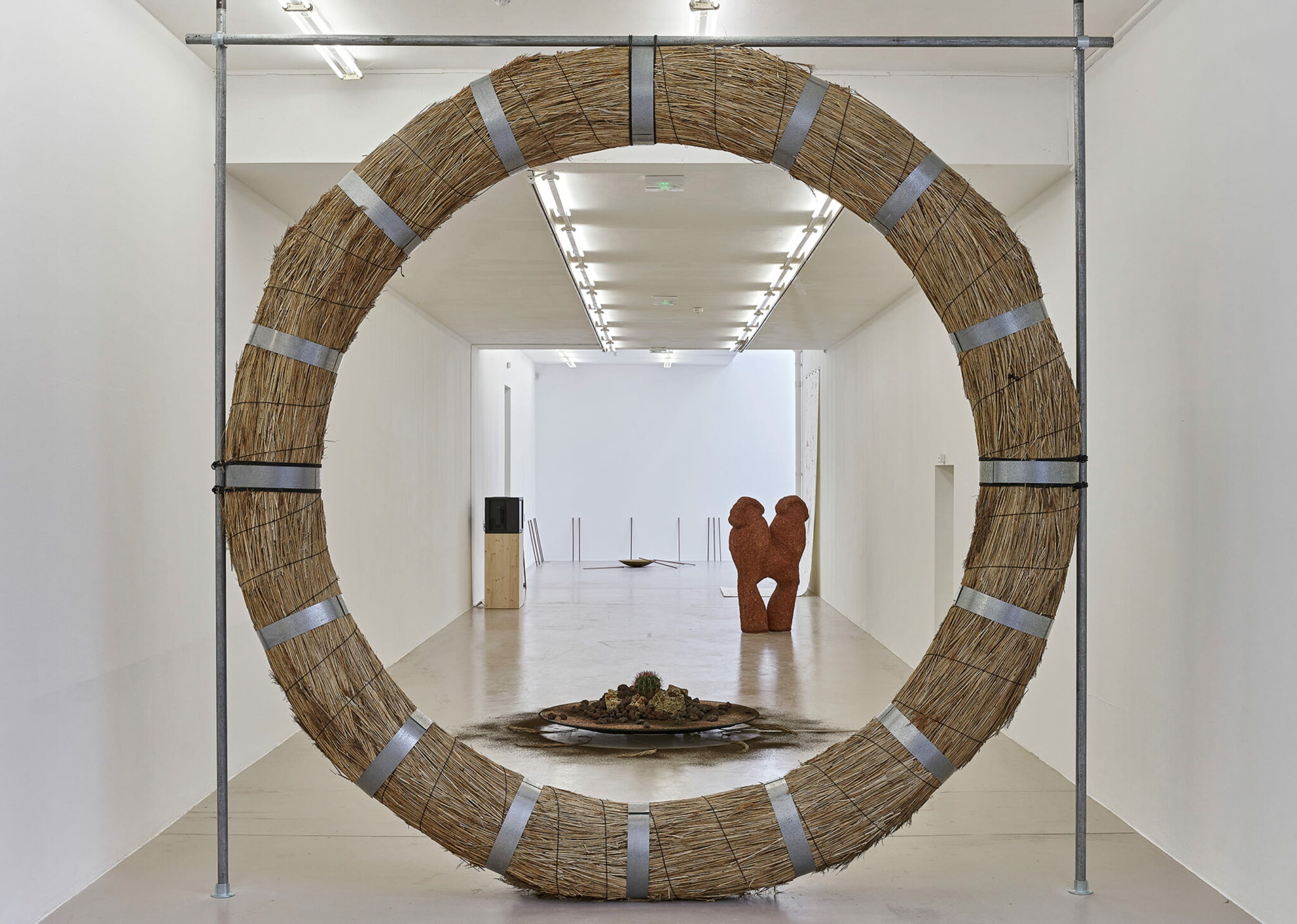
As a platform for creation and exploration for the art of today, the IAC (Institute of Contemporary Art) holds an array of in situ exhibitions and events on its 1,200 sq. m. premises, as well as developing an internationally acknowledged collection (1,900 artworks). In an art space that is updated for each event, the IAC organises three periods of exhibitions annually. Solo exhibitions, the most intimate showcases of an artist and their work, are a defining feature of IAC’s vision, and have included Jef Geys (2007), Michel François, Matt Mullican (2010), Joachim Koester (2011), Manfred Pernice (2013), Guillaume Leblon (2014), Jason Dodge (2016), Ann Veronica Janssens, Maria Loboda (2017), Katinka Bock (2018) and Daniel Steegmann Mangrané (2019).
Building on its in situ activities, the IAC also undertakes numerous ex situ projects at both national and international level, as well as throughout the Auvergne-Rhône-Alpes region. These range from disseminating its collection to promoting emerging artists (through the initiatives ‘Jeune création internationale’ / ‘Biennale de Lyon’ and ‘Galeries Nomades’).
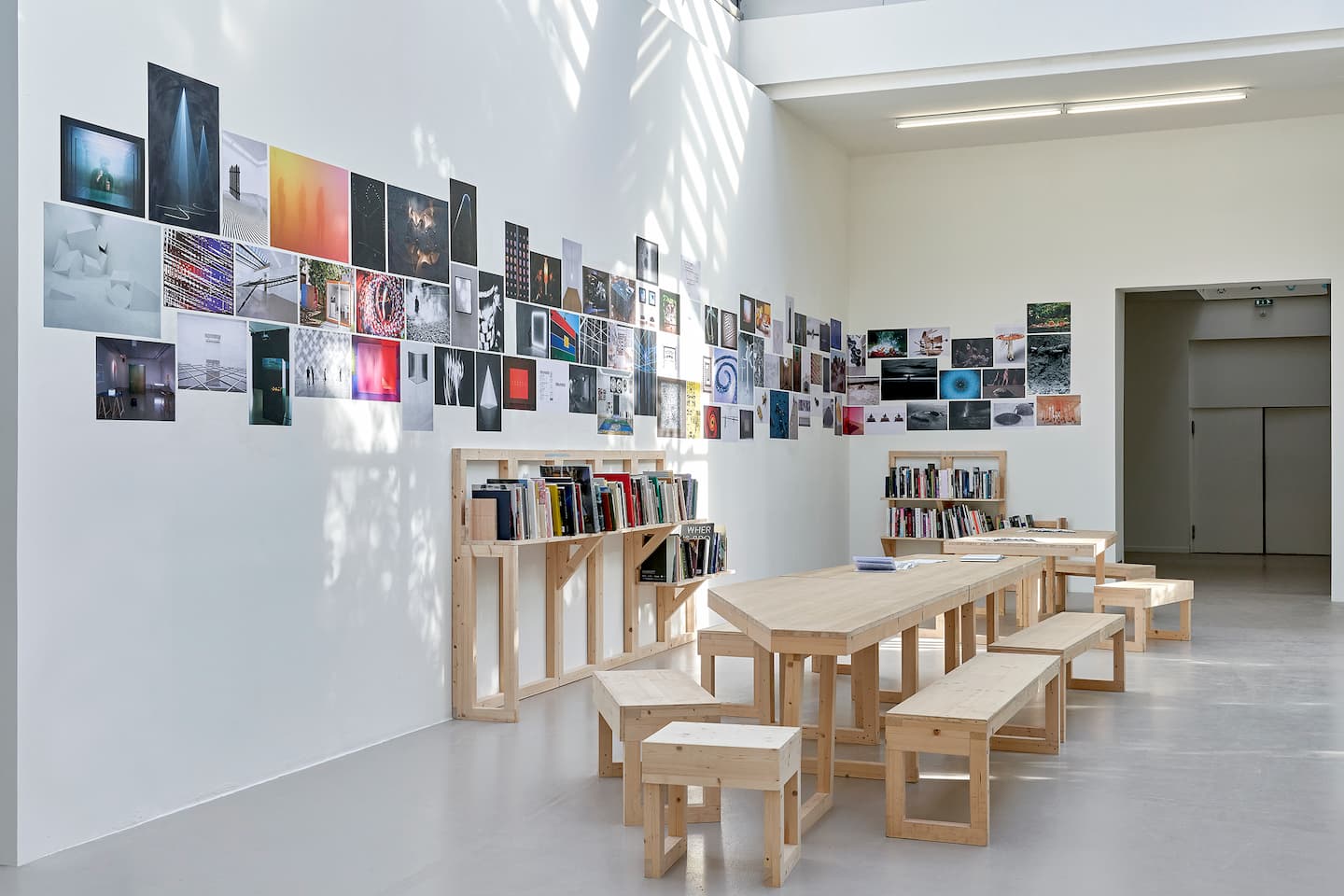
The IAC also engages in experimental research activities through the Laboratory Space Brain, launched in 2009 by Nathalie Ergino and the artist Ann Veronica Janssens. In view of recent scientific breakthroughs (neuroscience, astrophysics, anthropology, biology, geology, etc.), as well as renewed interest in hypnosis, shamanism and animism, the Laboratory Space Brain seeks to bring together researchers and artists, with intuition as their driving force, shared imagination as their bedrock and collective interaction as their modus operandi.
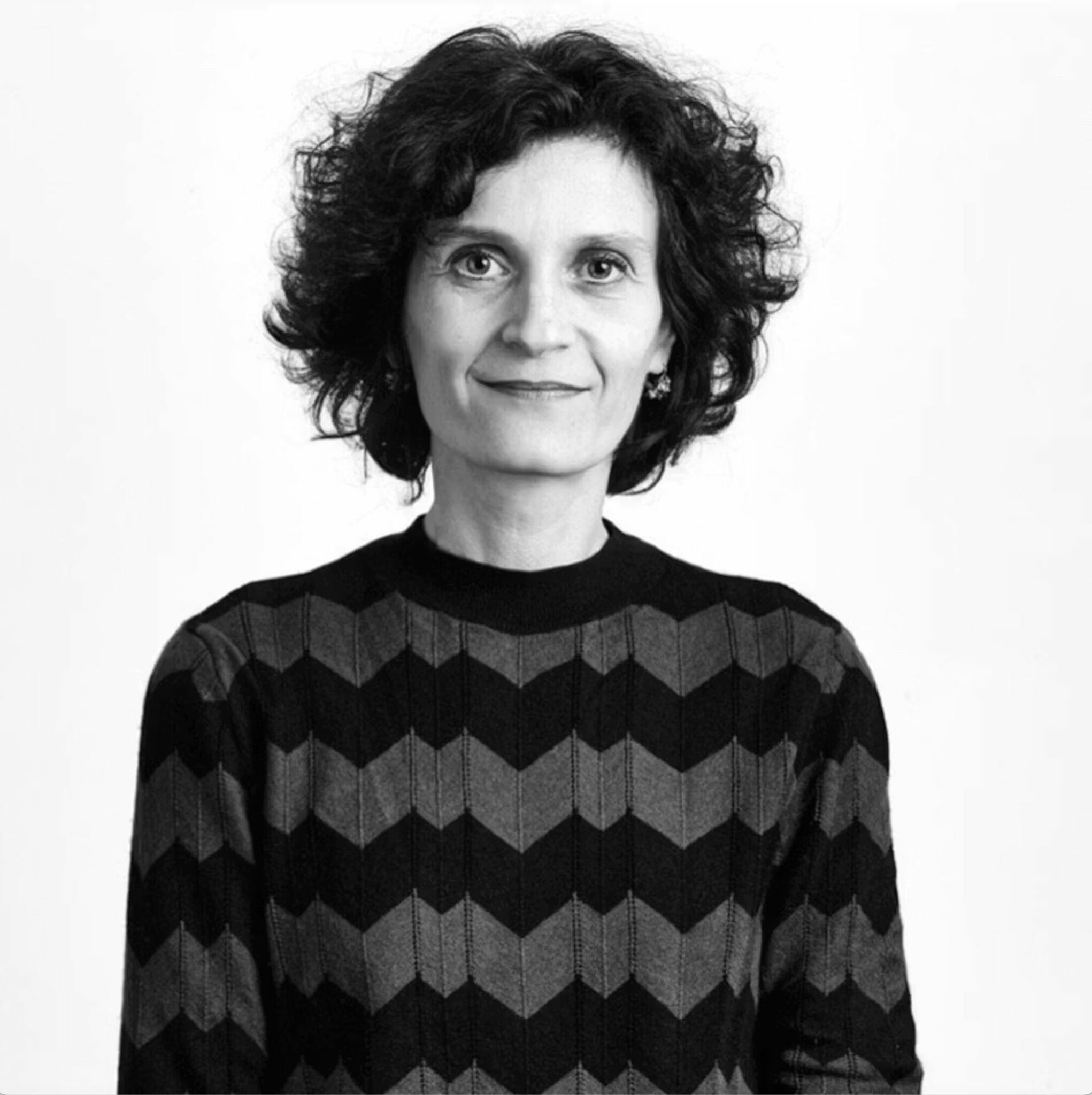
Isabelle Reiher new IAC’s director!
Rachida Dati, Minister of Culture, in full agreement with Fabrice Pannekoucke, President of the Auvergne-Rhône-Alpes Regional Council, Cédric Van Styvendael, Mayor of Villeurbanne, and Gilles Blanckaert, President of the Institute of Contemporary Art, has approved the appointment of Isabelle Reiher as Director of the Institute of Contemporary Art (IAC) – Rhône-Alpes Regional Contemporary Art Fund (FRAC) on the unanimous recommendation of the jury that met on October 14, 2025.
After studying law and museology at the University of Montreal and art history at the University of Paris I – Panthéon Sorbonne, Isabelle Reiher was appointed head of visual arts at the Provence-Alpes-Côte d’Azur Regional Council’s Department of Culture and Heritage. She then served as deputy director of Parc Saint-Léger, a contemporary art center in Pougues-les-Eaux, and headed the International Center for Research on Glass and the Visual Arts (CIRVA) in Marseille.
Since 2019, Isabelle Reiher has been director of the Olivier Debré Contemporary Creation Center in Tours, where she has promoted the work of painter Olivier Debré and established a network of cultural collaborations in France and abroad for the co-production and touring of exhibitions, and for which she has been leading the project to obtain the “Centre d’art contemporain d’intérêt national” (CACIN) label in 2022.
Isabelle Reiher’s project entitled “The Institute of Contemporary Art / FRAC Rhône-Alpes: architect of relationships, witness to the present day” fits within the historical framework of the IAC and reinterprets the identity of the place. Issues relating to the collection, which are central to the label’s expectations, and territorial cooperation with the FRAC Auvergne are at the heart of her project and offer great prospects for the Institute of Contemporary Art.
Isabelle Reiher succeeds Nathalie Ergino, who was head of the Institute of Contemporary Art from 2006 to 2024.
Recent acquisition
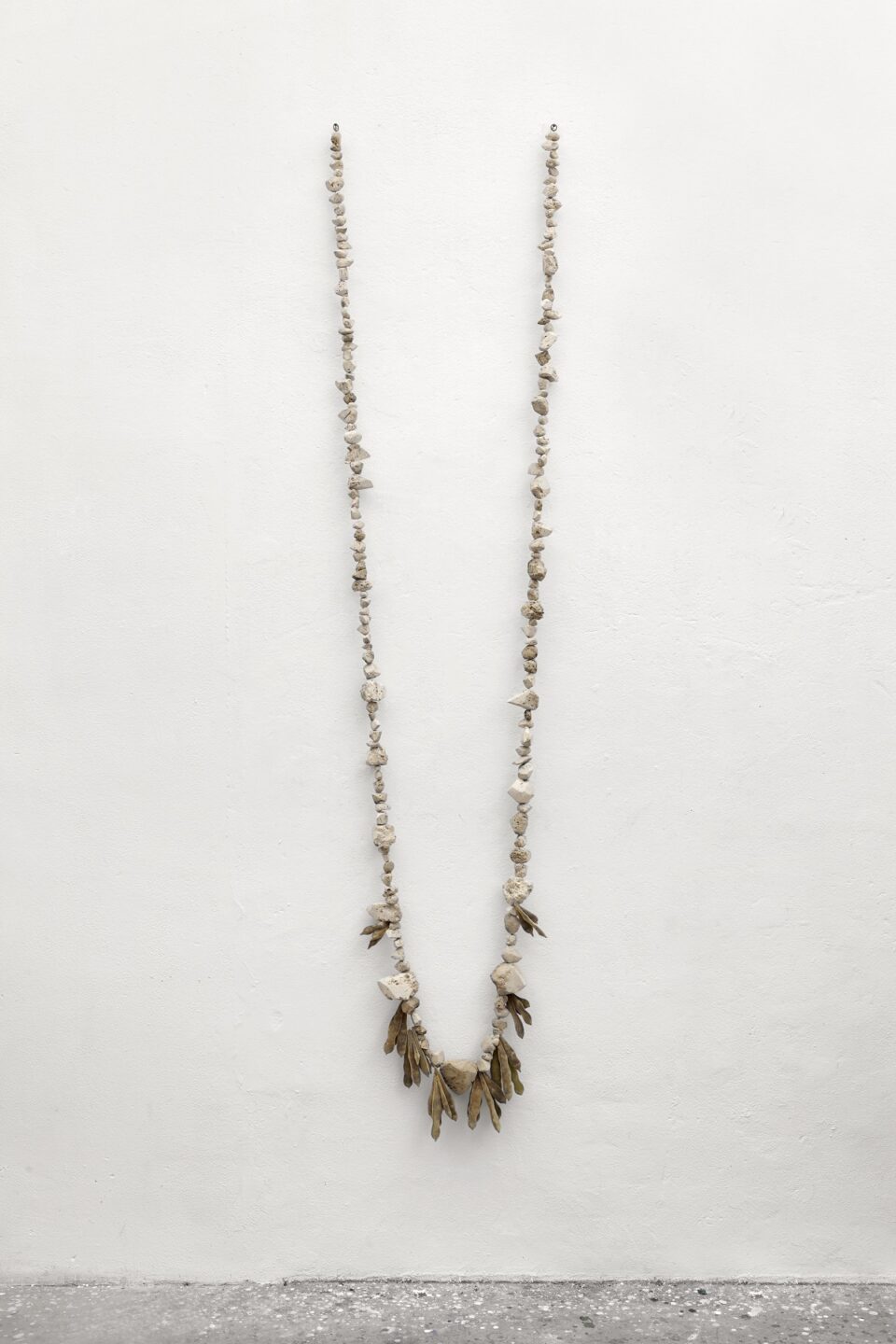
Chiara Camoni, Grande Sorella #02
Chiara Camoni,
Grande Sorella #02, 2018
Enveloppes de chataîgner, 220 x 50 x 10 cm
Achat à la Galleria SpazioA (Italie)
Collection IAC, Villeurbanne/Rhône-Alpes
Comité technique d'achat
Administration
Isabelle Reiher
Contact
INSTITUT D’ART CONTEMPORAIN
11 rue Docteur Dolard
69100 Villeurbanne, France
publics@i-ac.eu
T. +33 (0)4 78 03 47 00